Newsletter
Help us make a difference

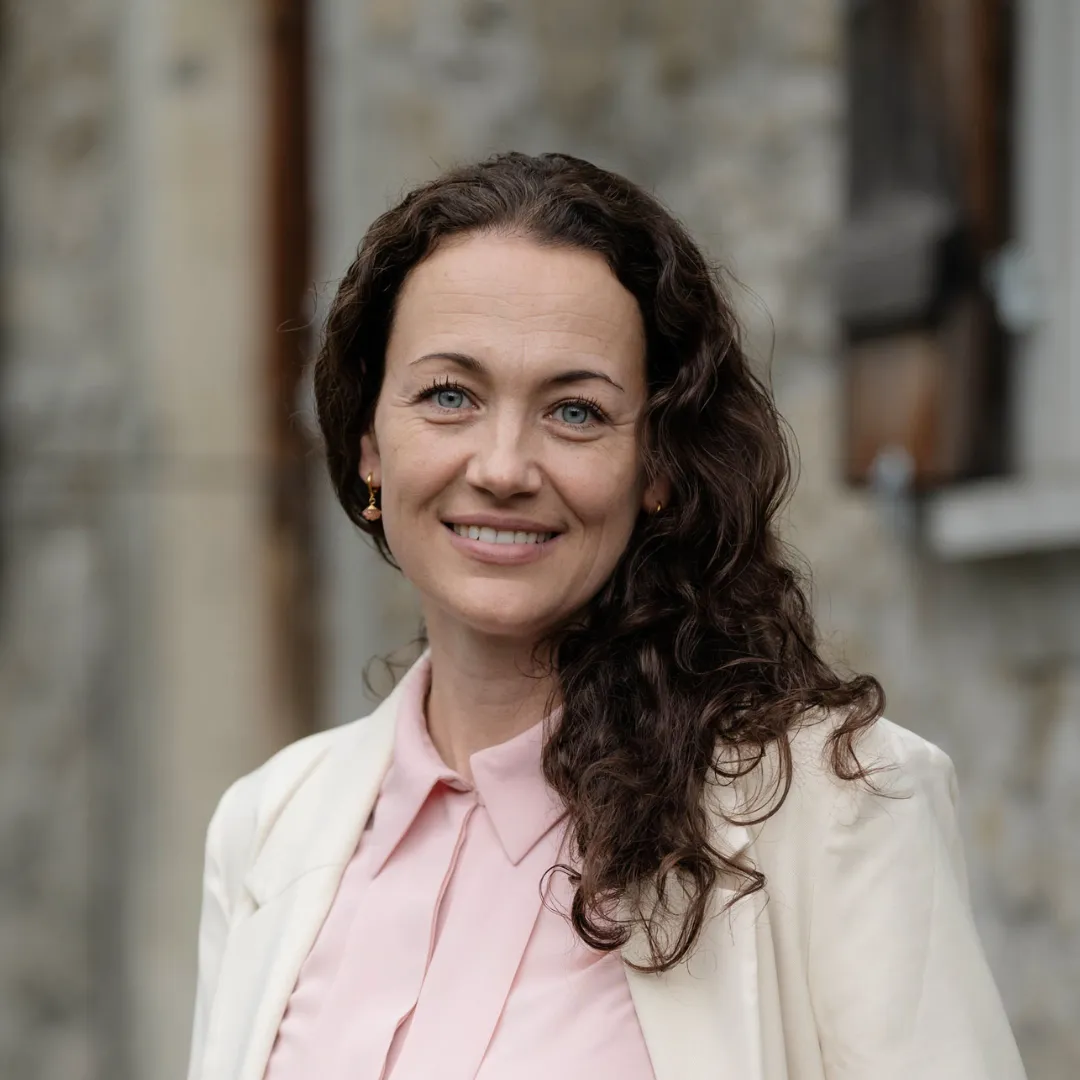
«Even if it seems that things will never change, that is exactly what will happen when you face the crisis and seek help.»
Year of birth
1982
Marital status
Married
Children
Boy (2013) and girl (2018)
Occupation / current role
PR, media work and online marketing
Hobbies
Sewing, gardening, yoga
First PPD onset
When my period returned, 4 months after giving birth
PPD lasted approximately
1 year
History of depression / depressive mood
No
Signs / symptoms of my PPD
Dizziness
Anxiety and panic attacks
Sleep and eating disorders
Exhaustion
Triggers of my PPD
Miscarriage
Reaction of those around me
During the most difficult times, only a few people close to me knew what was really going on. I tried to keep up a façade for as long as I could. After my stay and my «coming out» within the association, the reactions were consistently positive, supportive, and appreciative.
Treatment (therapy)
8 weeks in the mother-and-child station in Affoltern, followed by further outpatient and medication-based therapy
Medication
Escitalopram 20mg
Sequase XR 50mg
Temesta 1mg
What really helped me
Sharing experiences with other affected mothers at the MuKi station; having opportunities for rest and a much‑needed break from «having to function»; medication support; and conversations with my therapists.
My realisation
Even when it feels as though things will never change, change becomes possible when you face the crisis and seek help.