Newsletter
Help us make a difference

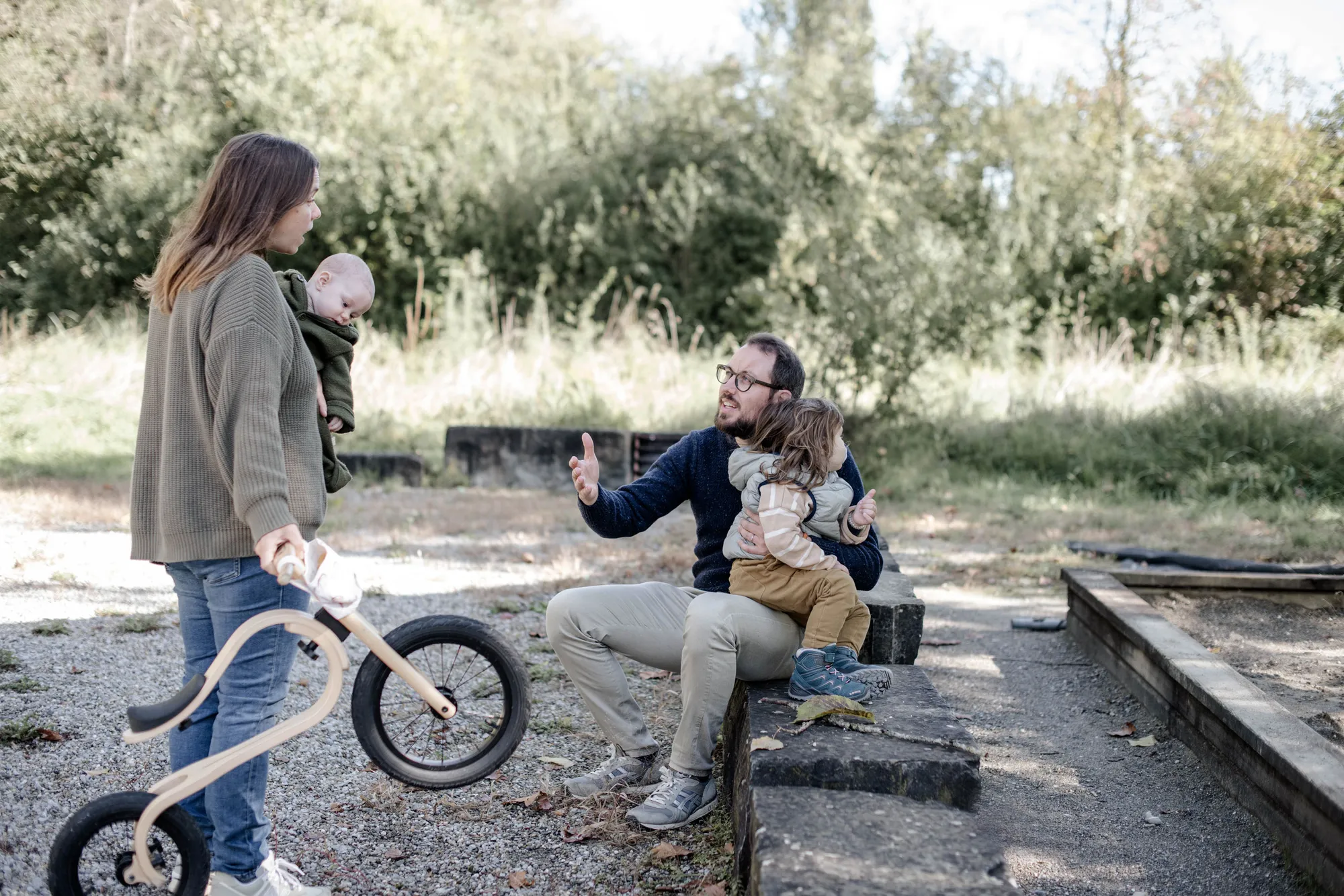

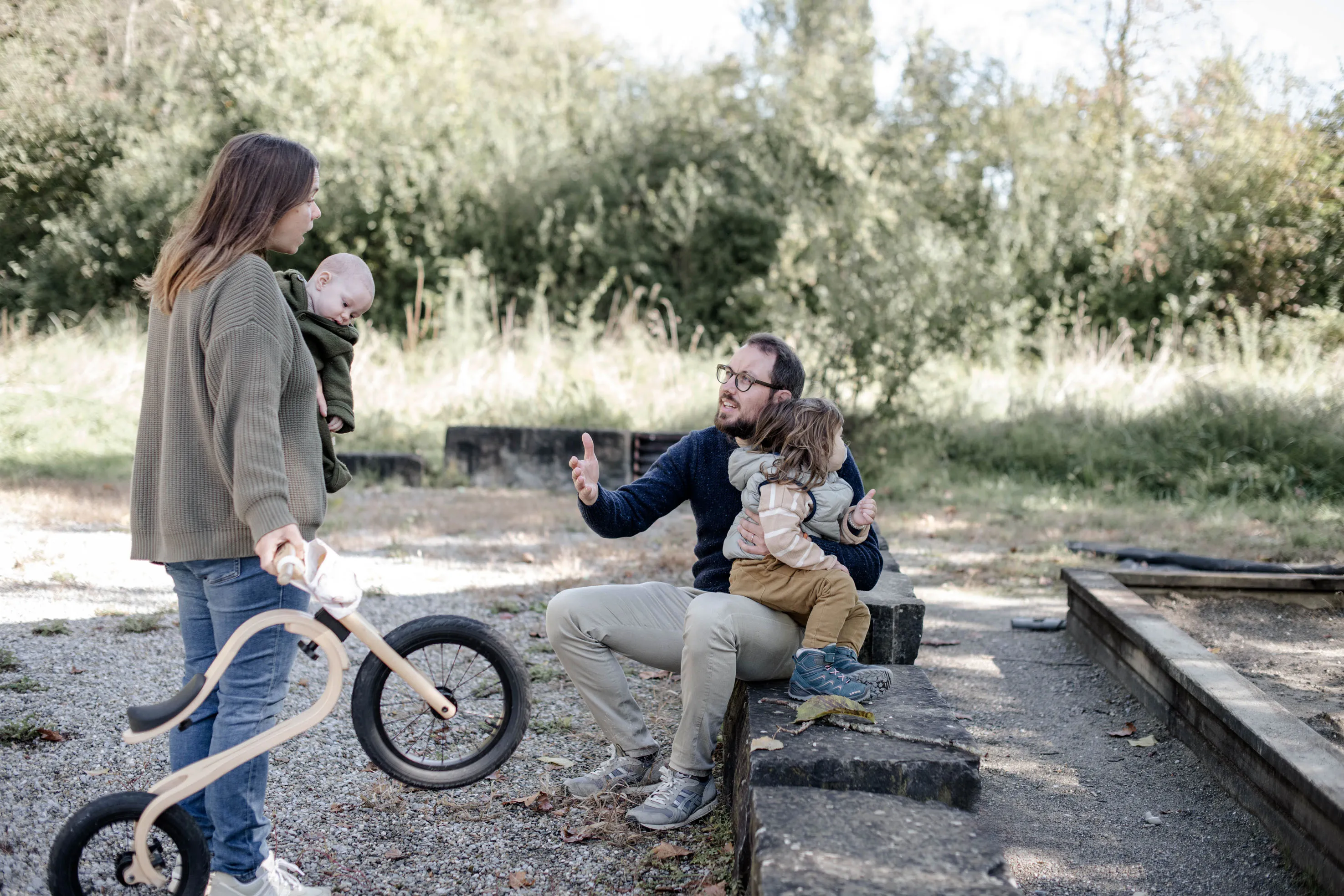
If you are struggling with perinatal mental health difficulties, rejection by your partner can be particularly painful.
Conditions such as postpartum depression, anxiety disorders, or post-traumatic stress disorder are often associated with misunderstanding and stigma, which can cause the non-affected partner to withdraw emotionally. It can also happen that the person affected does not receive the necessary support if their partner has difficulty accepting what they are going through.
Feelings of rejection — feeling unseen or unsupported — can make the situation even more difficult. The person affected did not choose this, and a lack of understanding from their partner can feel like a profound let-down. At the same time, the other partner may feel completely overwhelmed or helpless, unsure of how to respond. This was meant to be a time of happiness and growth as a couple — but the reality feels very different, and well-meaning advice may not always land well.
It is therefore important that both partners communicate openly, rather than making assumptions about each other. The supportive partner can try to show empathy and learn about the condition in order to better understand what the other is going through. Honest dialogue about needs and expectations helps to find a common path forward. Both partners need patience — and space to navigate the emotional and practical challenges together.
Professional help— whether psychotherapy for the person affected or couples therapy for both — can provide valuable support, and help the relationship emerge from this period stronger than before.
*Status: Spring 2026
Managing Director